A good cigar can lose its quality when storage conditions change. Dry air can crack the wrapper and weaken the flavor. However, too much moisture can cause swelling, poor burning, or mold. Heat may create another risk by raising moisture levels inside a closed box. Because these problems develop slowly, many buyers notice damage too late. Learning how to store cigars properly can help prevent these issues before they affect the cigar.
On The Go Market helps adult customers understand basic storage supplies and cigar care. Customers visiting a cigar shop in Fremont CA can ask about cigars and useful smoking accessories. The best way to store cigars is to control moisture, heat, light, and airflow together. Therefore, a closed drawer or kitchen cabinet may not provide enough protection. This blog explains safe storage steps, warning signs, and simple care methods. It can help buyers protect each cigar before dryness, mold, or wrapper damage begins.
Why Cigars Need Controlled Storage
Cigars contain natural tobacco leaves that react to nearby air. Therefore, a cigar can gain or lose moisture during storage. Its outer wrapper often changes faster because it directly meets the air. A dry wrapper may become weak and split during cutting or handling. However, a wet cigar may feel soft and burn unevenly. The ideal humidity for cigars helps tobacco stay flexible without feeling damp. Relative Humidity measures how much moisture the air holds at a set temperature. Therefore, cigar storage requires both a humidity reading and steady room conditions.
Most daily storage guidance places cigars near 65% to 70% relative humidity. A temperature near 65°F to 70°F is commonly suggested for everyday storage. However, personal preferences and cigar types may vary. Stable conditions matter more than constant changes between high and low readings.
Choosing a Humidor That Works
A Cigar Humidor is a storage box made to manage moisture around cigars. However, a decorative wooden box without humidity control is not a true humidor. A useful model needs a firm lid, enough room, and a working Humidification Device.
On The Go Market carries cigars and related smoking products for adult buyers. Therefore, customers needing cigars in Fremont CA can discuss basic storage needs during their visit. A humidor should match the size of the collection without packing cigars too tightly.
Check these details before choosing one:
- Pick enough space for air to move around the cigars.
- Look for a lid that closes firmly without visible gaps.
- Choose a digital hygrometer for easier humidity checks.
- Check whether the box uses an unfinished Spanish Cedar lining.
- Avoid boxes with strong chemical smells or damaged wood.
A little extra storage space makes regular checks easier.
Setting the Right Heat and Moisture
Humidity and temperature work together. Therefore, managing only one reading may leave cigars at risk. The ideal temperature for cigar storage is commonly around 65°F to 70°F for everyday use. Meanwhile, many cigar owners keep humidity between 65% and 70%.
| Storage factor | Useful everyday range | Possible problem outside the range |
| Relative Humidity | About 65% to 70% | Dry wrappers or excess moisture |
| Temperature | About 65°F to 70°F | Faster drying, mold risk, or pest activity |
| Light | Dark or low light | Heat buildup and faded packaging |
| Air movement | Gentle movement inside storage | Stale, wet pockets around crowded cigars |
| Humidity checks | Regular digital readings | Damage may develop without warning |
The cigar humidor humidity level should remain steady rather than change each day. Moreover, direct sun, heaters, and air vents can disturb the storage environment. Cigar Aficionado recommends controlled humidity and warns against temperature extremes.
Preparing a New Humidor
A new wooden humidor may pull moisture from cigars when its inner wood is dry. Therefore, it needs preparation before any cigar goes inside. Learning how to season a cigar humidor helps the inner wood reach a stable moisture level. Spanish Cedar is commonly used because it can absorb and release moisture. However, owners should follow the humidor maker’s directions. Different products may need different seasoning steps.
A common process includes:
- Remove dust with a clean, dry cloth.
- Place the approved seasoning system inside the empty humidor.
- Close the lid and allow the system to work for its full set time.
- Check the hygrometer before placing cigars inside.
- Replace seasoning products with normal humidity-control products.
Do not rush this stage. Moreover, never place cigars inside while the wood remains very dry. Seasoning packs may need several days or longer, depending on their instructions.
Arranging Cigars Without Wrapper Damage
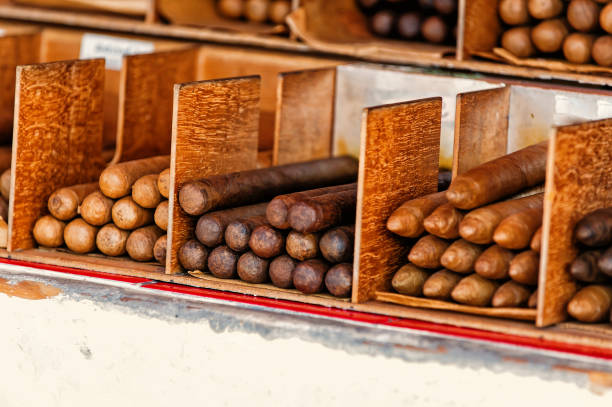
Learning how to store cigars in a humidor includes careful placement. Cigars need enough room for gentle airflow. Therefore, crushing them into a full box can create wet pockets and wrapper pressure. A crowded humidor may produce uneven conditions near its corners. Place cigars in neat rows without forcing them against the lid. Moreover, keep the Humidification Device from touching any cigar. Direct contact may create a damp spot on the wrapper.
Trays and dividers can help separate different sizes and groups. Customers visiting On The Go Market can review cigar choices and related accessories in one local stop. A nearby smoke shop in Fremont CA may be useful when a buyer needs cigars or basic smoking supplies without waiting for shipping. Rotate cigars gently when storage readings vary between the upper and lower trays. However, frequent handling can harm delicate wrappers. Clean, dry hands reduce that risk.
Using Humidity Packs Correctly
Two-way cigar humidification packs release or absorb moisture inside a closed container. Therefore, they can reduce large humidity changes when used correctly. Buyers should select a level that matches their storage needs and local conditions.
Use humidity packs with care:
- Follow the maker’s pack-to-container size guide.
- Do not mix packs with different humidity ratings.
- Replace a pack when it becomes fully firm.
- Keep packs away from sharp tools or torn packaging.
- Use enough packs for the container’s full capacity.
A pack should not replace regular checks. Moreover, a weak seal can make any humidity product work harder. Digital readings can show whether the container holds stable conditions.
Some packs come in ratings such as 65%, 69%, or 72%. However, the right choice depends on the cigars, container, climate, and owner preference—two-way systems work by releasing and absorbing moisture within an enclosed space.
Storage When No Humidor Is Available
Cigar storage without a humidor can work for a limited period when the container controls moisture. A clean, food-safe plastic box with a tight lid can serve as temporary storage. However, it must remain free from food smells, soap, and cleaning chemicals. For short-term cigar storage methods, place the cigars in a clean sealed container with a proper humidity pack. Keep the container in a cool, dark place. Moreover, check the lid and humidity reading each day. Never place a wet sponge directly beside the cigars.
A sealed storage bag with a humidity pack may help during short travel. However, it provides less crush protection than a firm container. Tubes can guard wrappers during travel, but their seals may not hold forever. Therefore, tubed cigars still benefit from controlled storage. These options are temporary. A working humidor offers better control for a growing collection.
Keeping Cigars Fresh for Longer
People often ask how long do cigars stay fresh before quality begins to fall. There is no single time limit because storage conditions control the answer. Cigars can stay usable for years in stable storage. However, they may dry much faster in open, heated, or cooled rooms. The main goal behind how to keep cigars fresh is stable care. Owners should check humidity, temperature, seal quality, and cigar condition on a regular schedule. Moreover, they should avoid opening the humidor more often than needed.
For long-term cigar storage methods, use a reliable humidor, digital hygrometer, and suitable humidity control. Keep the box away from windows and heat sources. Meanwhile, inspect every cigar for wrapper changes, stains, holes, or unusual smells. Those looking for a cigar store near Fremont CA can purchase cigars locally, yet safe storage still requires steady care and regular checks at home. Proper handling can reduce cracked wrappers and uneven burning.
Spotting Dryness Before Wrappers Break
Common signs of a dry cigar include a hard feel, a brittle wrapper, loose tobacco flakes, and visible cracks. A dry cigar may burn too fast because its leaves contain too little moisture. Moreover, its wrapper may split during cutting.
Understanding how to prevent cigars from drying out starts with finding the cause. The humidor may have a loose lid, an empty humidity unit, or dry Spanish Cedar. A nearby heater or air vent may cause fast moisture loss. Therefore, owners should correct the storage problem before adding more cigars.
Knowing how to protect cigar wrappers from cracking requires gentle handling and slow moisture control. Never bend or squeeze a dry cigar. Moreover, avoid sudden humidity jumps. A weak wrapper can swell faster than the inner tobacco, which may cause new cracks.
Regular condition checks give owners time to act before the cigar becomes badly damaged.
Preventing Excess Moisture and Mold
The signs of an over-humidified cigar may include a soft feel, swelling, a tight draw, and an uneven burn. Wrappers may look damp or develop raised areas. Therefore, owners should check both the cigar and the hygrometer before making changes. Learning how to prevent mold on cigars means controlling moisture, heat, crowding, and airflow. Keep the humidor within its chosen range. Moreover, avoid wet household sponges, tap water, or direct liquid contact with cigars. Crowded storage can trap moisture between wrappers.
Cigar Mold may appear fuzzy and can have white, green, blue, or gray coloring. It may leave a stain after removal. Mold near the foot can spread into the cigar. Therefore, a cigar with suspected mold should be separated from the collection. High heat and moisture can support mold growth. Cigar Aficionado notes that colored growth leaving a stain is a warning sign.
Understanding Mold and Plume
The cigar mold vs plume question can confuse many cigar owners. Plume is often described as a fine white material linked with oils moving toward the wrapper surface. It may brush away without leaving a mark. However, visual checks alone may not always give a sure answer. Mold may look raised, fuzzy, patchy, or colored. Moreover, it may return after cleaning or leave a stain. Mold can grow on the wrapper, inside the box, or near the cigar’s foot. Therefore, uncertain cigars should stay away from the rest of the collection.
When to Stop and Seek Help
Do not use a cigar when growth reaches the foot or seems to enter the filler. Moreover, avoid smelling suspected mold closely. Clean the empty storage unit according to its maker’s directions.
Why Quick Action Matters
Separating a problem cigar limits contact with other cigars. However, the owner must correct high humidity or heat before returning safe cigars.
Bringing Moisture Back Slowly
Learning how to rehydrate dry cigars requires patience. Sudden moisture can swell the wrapper before the inner leaves adjust. Therefore, a fast humidity change may split the cigar or cause uneven moisture.
Place the dry cigar away from the Humidification Device. Moreover, start near the lower end of a safe humidity range. Allow the cigar to rest for several weeks while checking its condition. Move it toward normal storage only after it becomes more flexible.
Badly cracked cigars may not fully recover. Meanwhile, very dry tobacco can lose oils and flavor even after moisture returns. Rehydration can improve texture, but it cannot promise the original condition. On The Go Market can help adult buyers review cigar choices and related smoking accessories. When clients visit our cigar shop in Fremont CA, they ask our staff about basic products and storage options. However, careful home monitoring remains important after purchase.
Storage Errors That Cause Damage
Many common cigar storage mistakes happen because owners react too fast. They may add too much moisture after seeing one low reading. However, one reading may reflect an open lid, a weak battery, or a poorly placed sensor. Other mistakes include using tap water, placing the humidor in direct sun, and packing cigars too tightly. Moreover, some owners leave cigars near kitchen smells, bathroom steam, or cold air vents. Tobacco can absorb nearby odors.
Owners should avoid these habits:
- Do not store cigars in a refrigerator or freezer for daily care.
- Do not place a wet cloth or fruit inside the storage box.
- Do not let liquid touch cigar wrappers.
- Do not ignore musty smells, stains, or small holes.
- Do not change humidity levels sharply.
Steady checks protect cigars better than quick fixes. Therefore, small corrections should come before major changes.
Local Help for Better Cigar Care
Good storage protects a cigar’s wrapper, moisture, and condition. Therefore, owners should control humidity, temperature, light, and handling from the day of purchase. A working humidor supports regular care, while a sealed container can cover short storage needs. On The Go Market gives adult shoppers access to cigars and related smoking products in Fremont. Our team can explain basic product options and help customers compare available items.
Moreover, the store carries a broad mix of smoke, vape, and convenience products in one place. Adult customers looking for a cigar shop in Fremont CA can visit us at 122 Gable Dr, Fremont, CA 94539, USA. They can call (669) 204 6201 before visiting to ask about current cigar availability. Careful storage at home can help protect every purchase from dryness, excess moisture, mold, and wrapper damage.
Frequently Asked Questions
1. What is the best humidity level for storing cigars?
Many cigar owners use 65% to 70% Relative Humidity for everyday storage. However, the chosen level may depend on cigar type, local climate, and personal preference. Keep the reading stable, use a digital hygrometer, and avoid sharp changes that can dry, swell, or crack wrappers.
2. How can I store cigars properly without a humidor?
Use a clean, food-safe container with a tight lid and a suitable humidity pack. Keep it in a cool, dark area away from food odors. However, check the moisture level often. This method can support temporary storage, but a working humidor gives better long-term control.
3. How can I tell whether a cigar is too dry or too moist?
A dry cigar may feel hard, shed tobacco, or show wrapper cracks. However, a wet cigar may feel soft, swollen, or difficult to draw through. Check the hygrometer and inspect several cigars. One cigar alone may not show the full condition inside the storage box.
4. What is the difference between cigar mold and cigar plume?
Plume is often described as fine white material that brushes away without leaving a stain. However, mold may look fuzzy, raised, colored, or patchy. It may leave a mark or return after cleaning. Separate any uncertain cigar and avoid using one with growth near its foot.
5. Can a dry cigar be rehydrated without cracking its wrapper?
A mildly dry cigar may regain moisture when humidity rises slowly over several weeks. Keep it away from direct contact with the humidity source. However, badly cracked cigars may not recover. Sudden moisture can swell the outer wrapper faster than the inner leaves and cause more damage.
6. Can a smoke shop in Fremont CA explain basic cigar storage options?
Yes. Our team can discuss basic storage choices, cigar products, and related smoking accessories available in the store. However, customers should follow each storage product’s instructions and monitor conditions at home. On The Go Market can help adult buyers compare suitable options during an in-store visit.