A cartridge can taste burnt, feel weak, or clog even when the battery still works. Often, the voltage doesn’t match the oil or coil. Thick oil may warm slowly, while thin oil can overheat fast. Coil resistance can change the result. Therefore, one setting cannot suit every cartridge. The best voltage for vape cartridge use usually starts low and rises in small steps. Shoppers looking to buy the best fogger vapes in Fremont, CA can get help choosing the right product at our shop. On The Go Market carries carts, batteries, chargers, and related vape products under one roof. Our team can explain available battery features. This blog covers voltage, oil thickness, coils, resistance, preheat, and warning signs.
Why Voltage Changes the Draw
Voltage controls how strongly a battery powers the cartridge coil. More voltage creates more heat. However, added heat may not improve the draw. Excess heat can weaken flavor and place stress on the oil or coil. A useful vape cartridge voltage chart should guide testing, not replace maker instructions. Cartridge designs differ in coils, airflow, and resistance. Therefore, users should begin within the listed range.
| Cartridge condition | Careful starting approach | Warning sign |
| Thin oil | Low power | Hot or harsh vapor |
| Medium oil | Low to middle power | Fast oil loss |
| Thick oil | Preheat, followed by low power | Weak flow or clogging |
| Ceramic core | Begin low and rise slowly | Dry or burnt taste |
Exact voltage numbers vary because each cartridge handles heat differently.
Match Heat With Oil Thickness
Oil thickness changes how fast liquid reaches the heating area. Thick oil moves slowly. Therefore, it may need gentle warming before it feeds the coil well. Thin oil moves faster, so strong heat may cause harsh vapor or leaks.
The link between oil viscosity and vape voltage matters, but viscosity alone can’t set the final number. Coil size, intake design, room temperature, and airflow still affect the result. Users testing voltage for thick oil cartridge setups should start low and use supported preheat features. Meanwhile, thin-oil cartridge use often needs less heat. Slow testing works better than maximum power.
Check the Coil and Resistance
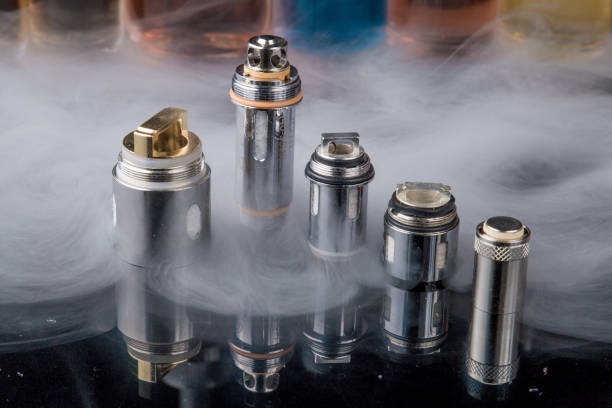
Ceramic and cotton-based designs move oil differently. Therefore, check vape cartridge coil types before choosing power.
Ceramic Cores
Ceramic has small pores that absorb oil and spread heat. CCELL says its ceramic system can absorb and atomize thick oil without scorching or waste.
Cotton-Based Cores
Cotton wicks pull oil toward a heating wire. However, dry cotton can burn when oil cannot reach it quickly. That is why ceramic coil vs cotton coil cartridge comparisons should include oil flow.
Resistance matters as well. Higher resistance usually draws less power at the same voltage. Therefore, a cartridge resistance and voltage check should use the maker’s stated range. One CCELL cartridge lists 1.4-ohm resistance, but other designs vary.
Set a Variable Battery Correctly
A variable voltage battery for cartridges gives more control than a fixed-output model. Some models use buttons, while others use a dial. For anyone learning how to adjust voltage on vape battery models, the device guide should come before testing. Common controls include:
- Five clicks for power.
- Three clicks for voltage changes.
- Plus and minus buttons for small changes.
- A twist dial for manual control.
These controls are not universal. Therefore, users must confirm the steps for their model. Shoppers comparing 510 thread battery voltage settings can ask our store team about available controls. We can compare fit, controls, and charging needs.
Use Preheat With Care
Preheat applies gentle power before the main draw. It can loosen oil that becomes thick during cool storage. Therefore, preheat mode for thick vape oil may improve flow without forcing a high setting. Customers seeking the best Fogger vapes in Fremont, CA can compare those products with other listed choices. However, repeated cycles may overheat the cartridge. A careful routine works better:
- Keep the cartridge upright before use.
- Run one supported preheat cycle.
- Pause briefly before drawing.
- Take a short, gentle pull.
- Allow cooling time before another attempt.
Preheat cannot repair a damaged coil or blocked air path. Also, stop if the cartridge leaks, smells unusual, or gets very hot.
Compare Distillate and Live Resin
Distillate often has a thick, even texture. Live resin can vary because its formula may change how it flows. So, start both types at low power. A cautious distillate cartridge voltage approach uses enough heat for steady vapor without dulling flavor. Meanwhile, live resin cartridge voltage often stays lower when flavor matters most. The exact setting still depends on the coil, resistance, and airflow.
CCELL makes ceramic cores for live resin, distillate, live rosin, and other oils. Buyers looking for fogger vapes in Fremont CA should compare voltage range, cartridge fit, and preheat support before purchase. Users should never choose voltage based only on the oil name. Cartridge construction and maker limits should guide every change.
Balance Flavor and Vapor
Clear flavor and strong vapor can require different heat levels. Lower heat may protect flavor. Higher heat may produce more vapor, yet it can make the draw hot or harsh. The best voltage for flavor and vapor is the lowest setting that gives a steady draw. Flavor should stay clear without a burnt edge. Vapor should appear without a long pull. Also, the cartridge should not get too hot.
This is low voltage vs high voltage vaping. Low voltage favors gentle heating, while high voltage adds faster heat. Proper fit often matters as much as the voltage range. The best voltage for ceramic coil cartridge use still depends on resistance and maker limits.
Solve Burnt Taste, Weak Vapor, and Clogs
If you’re asking why your cartridge tastes burnt, you may be using too much voltage or drawing too long. Lower the power and let the oil settle. However, a burnt wick may not recover. Meanwhile, weak vapor from vape cartridge use can result from low power, a loose connection, cold oil, blocked airflow, or a tired battery. Check those points before raising voltage.
To prevent a cartridge from burning, keep draws short, start low, and allow cooling time. For how to stop a vape cartridge from clogging, helpful habits include:
- Store the cartridge upright.
- Avoid strong heat or cold.
- Do not pull too hard.
- Clean the mouthpiece opening carefully.
- Use preheat only when supported.
These steps address common causes without forcing more power. Replace cartridges that leak, crack, or stay unusually hot.
Choose a Battery That Fits
Battery shopping should begin with the cartridge, not the battery design. Buyers should check thread type, cartridge width, voltage range, charging port, controls, and preheat support. At On The Go Market, shoppers can compare carts, batteries, chargers, and related accessories during one visit.
We offer variety, fair prices, consistent stock, and product support. Bringing the product package can make comparison easier. However, disposables and cartridge batteries work differently. Therefore, this voltage guidance applies to adjustable cartridge batteries.
Choose Heat That Fits the Cartridge
Good cartridge use depends on balance. Oil thickness, coil type, resistance, airflow, and battery controls affect every draw. Start low, make small changes, and stop when flavor becomes harsh. Maker instructions should always take priority over a general range. On The Go Market helps adult shoppers compare available vape products and related accessories without making several store visits. For product and stock questions, call (669) 204-6201 or visit 122 Gable Dr, Fremont, CA 94539. No public email address is listed so that customers can use the contact form for written questions.
FAQs
1. What voltage should I use for a thick oil cartridge?
Start with the lowest setting allowed by the cartridge maker. Use one short preheat cycle when the battery supports it. Raise power in small steps only when vapor stays weak. Thick oil may need more heat, but high voltage can harm flavor or stress the coil.
2. Does thin oil require a lower cartridge voltage?
Thin oil often reaches the coil faster, so a lower setting may work well. However, cartridge design and resistance still affect the result. Start low, take a short draw, and watch for hot vapor, harsh flavor, leaks, or fast oil loss before increasing.
3. How does coil type affect the correct vape voltage?
Ceramic cores spread heat through porous material, while cotton wicks feed oil toward a heating wire. Each design handles oil and heat differently. Therefore, users should follow the cartridge range, begin low, and avoid long draws that may dry or overheat the heating area.
4. Is a ceramic coil better for thick vape oil?
Ceramic cores often handle thick oil well because their pores absorb and spread oil across the heating area. However, quality and design still vary. A ceramic label cannot guarantee good flow. Cartridge intake size, resistance, oil formula, and room temperature remain important.
5. Can high voltage burn the oil or damage a cartridge?
Yes. High voltage can create excess heat, weaken flavor, darken oil near the intake holes, or damage a poorly fed coil. The cartridge may taste harsh or burnt. Users should lower the power, shorten each draw, and allow cooling time between uses.
6. Can a vape shop in Fremont CA help match a battery with a cartridge?
Yes. A local shop can compare the cartridge thread, width, resistance information, voltage range, and battery controls. Buyers should bring the package when possible. Our team can explain available battery features, but the cartridge maker’s limits should guide the final power choice.
7. Where can I compare cartridge batteries in Fremont CA with variable-voltage settings?
Shoppers can visit On The Go Market to compare available carts, batteries, chargers, and related accessories. Bring the package so our team can check fit and controls. Stock can change, so calling ahead helps confirm current battery availability.